Key Takeaways
-
-
Luster is the most important factor when evaluating pearl quality. Luster should appear bright, highly reflective and vibrant. Without good to excellent luster, pearls will appear dull and chalky - more like a bead.
-
Pearls are graded using several attributes called "Value Factors", which includes luster, surface quality, shape, color, and size.
-
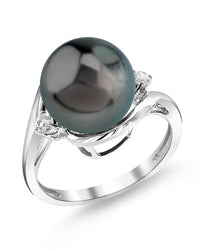
Each pearl type is unique and offers something different to enjoy.Major pearl types includeFreshwater, Akoya, Tahitian, and South Sea pearls - all with their own unique colors, sizes and luster levels.
-
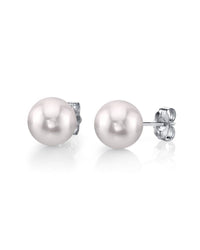
Round pearls are the rarest and often the most valuable, though baroque and drop shapes can offer beautiful and unique alternatives, with large, extremely well-matched pairs commanding premium prices.
-
Pearl size is measured in millimeters, with larger pearls generally commanding higher prices, as long as all other value factors like luster and surface quality being equal.
-
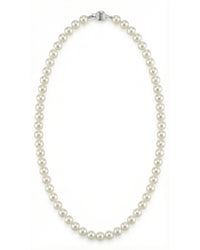
Matching is essential for pearl necklaces and strands, ensuring consistent color, luster, and size.
-
Buying from a reputable pearl specialist helps ensure proper grading and accurate descriptions.
-