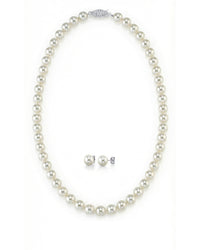
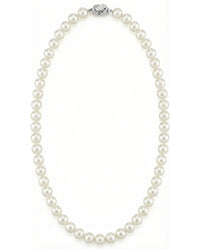
Key Takeaways
-
-
There are 7 value factors; pearls are graded based on 5 attributes: luster, surface quality, shape, color, and size.
-
Luster is the most important factor to consider when grading pearls.Luster determines how bright and reflective a pearl appears.
-
Surface quality refers to natural imperfections, with cleaner pearls generally being more valuable.
-
Perfectly round pearls are the rarest and most highly valued, though other shapes can be equally beautiful.
-
Color includes both body color and overtone, which can significantly impact a pearl’s appearance.
-
Pearl grading systems are not fully standardized, so quality can vary between retailers.
-
Understanding grading helps buyers compare pearls more confidently and accurately.
-