Here is a quick run down on the 4 main types of cultured pearls you'll encounter while pearl shopping.
AKOYA PEARLS:
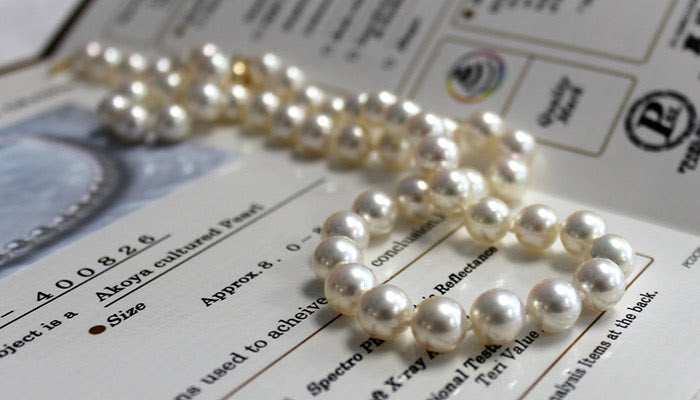
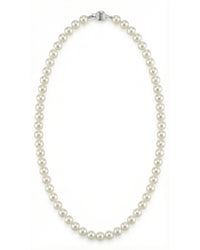
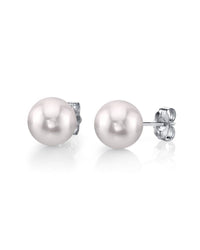
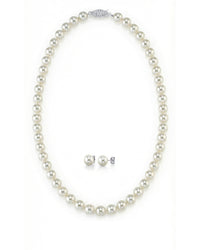
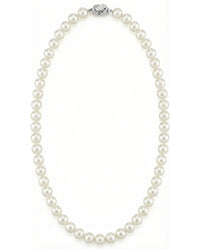
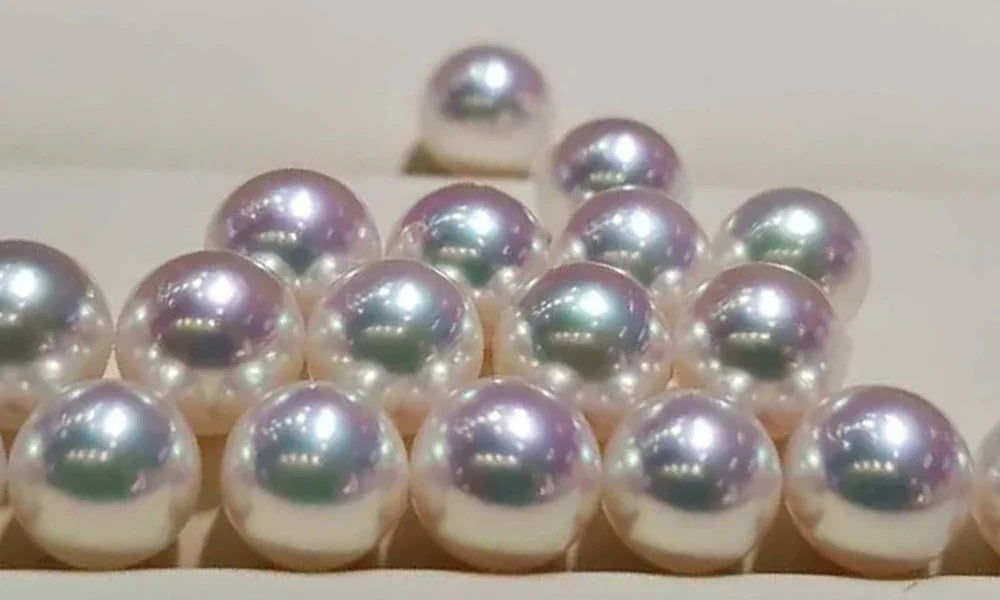
When most people think about white pearls they are thinking about Akoya pearls- the are the classic white pearls. They are grown in saltwater off the coast of Japan.
Mikimoto and Tiffany's sells primarily cultured Akoya pearls.
If you want classic white, round pearls with high luster, BUY AKOYA PEARLS.
FRESHWATER PEARLS:
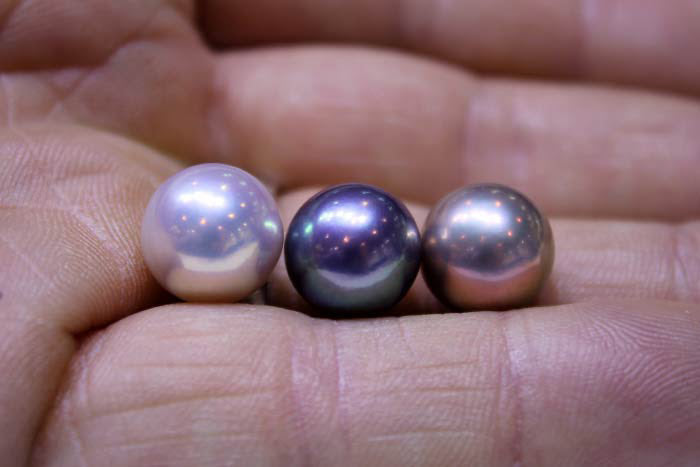
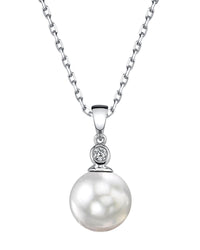
If someone says they are offering "cultured pearls" but doesn't tell you a type of pearl, 9/10 times they are cultured freshwater pearls.
These pearls come in white, peach, lavender, and recently some very EXCITING EXOTIC COLORS.
Freshwater pearls used to be very low quality, but today freshwater pearl farmers are producing affordable pearls that rival the very best saltwater pearls.
My GEM GRADE FRESHWATER PEARLS are exceptional quality at about 1/3 the price of Akoya pearls.
BLACK TAHITIAN PEARLS:
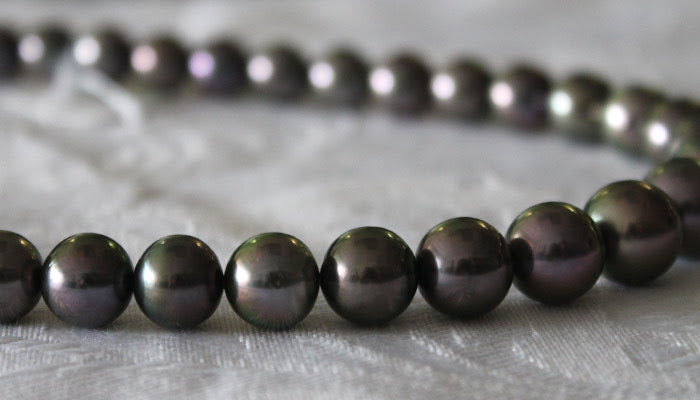
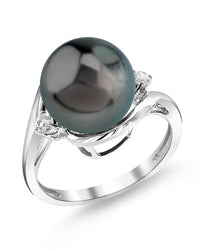
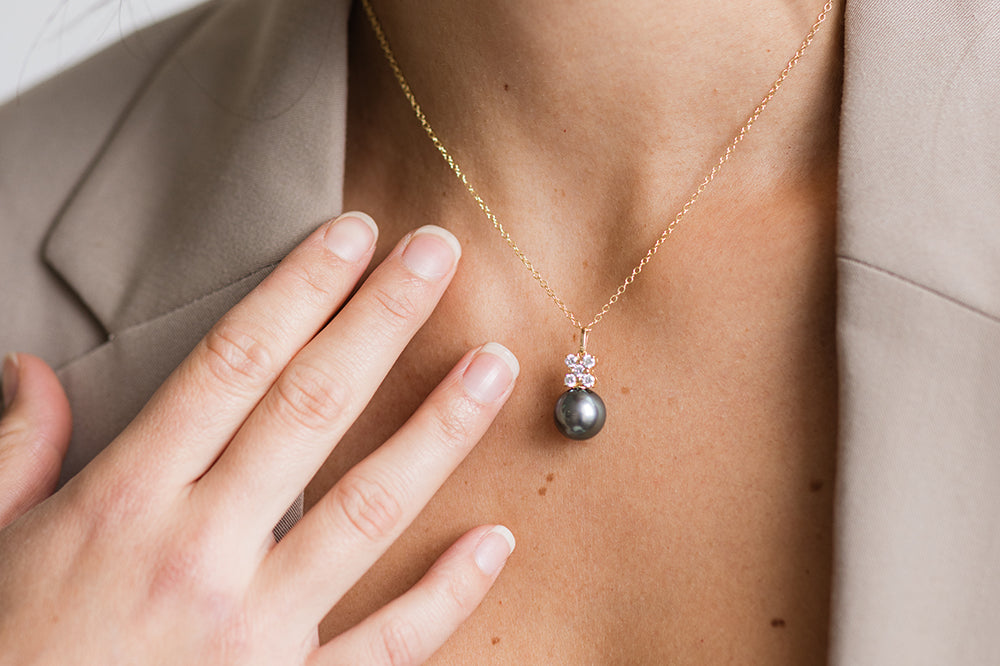
These are the only naturally "black" pearls. It's important to understand that the term "black" is used to describe dark colored pearls, including silver, gray, green, blue & purples -- not necessarily a true black.
They are grown in saltwater "atolls"off French Polynesia and Fiji. They aren't actually black but instead they are dark shades of gray, green, blue and purple.
They are large exotic pearls that just 20 years ago would have sold for $100,000/strand. Today with increased production the same strand can be purchased from me for $3000.
Related Blog Post:
3 THINGS YOU MUST KNOW BEFORE BUYING TAHITIAN PEARLS
WHITE & GOLD SOUTH SEA PEARLS:

These are the "QUEEN of Gems" and the rarest of all cultured pearls. They are grown in saltwater off Australia, Indonesia, and the Philippines.
These are BIG white or golden pearls, with deep silky luster. Those huge pearls that Barbara bush, Nancy Pelosi or Oprah are famous for wearing - they're South Sea pearls.
The ultimate "power pearls". A strand of South Sea pearls tells the world you've made it.
If you want the most valuable pearls money can buy, choose SOUTH SEA PEARLS.